Whole Macro Guide

Understand how protein, carbohydrates, and fats support your daily energy with clear ratios and flexible meal templates from Fitnesstendon.

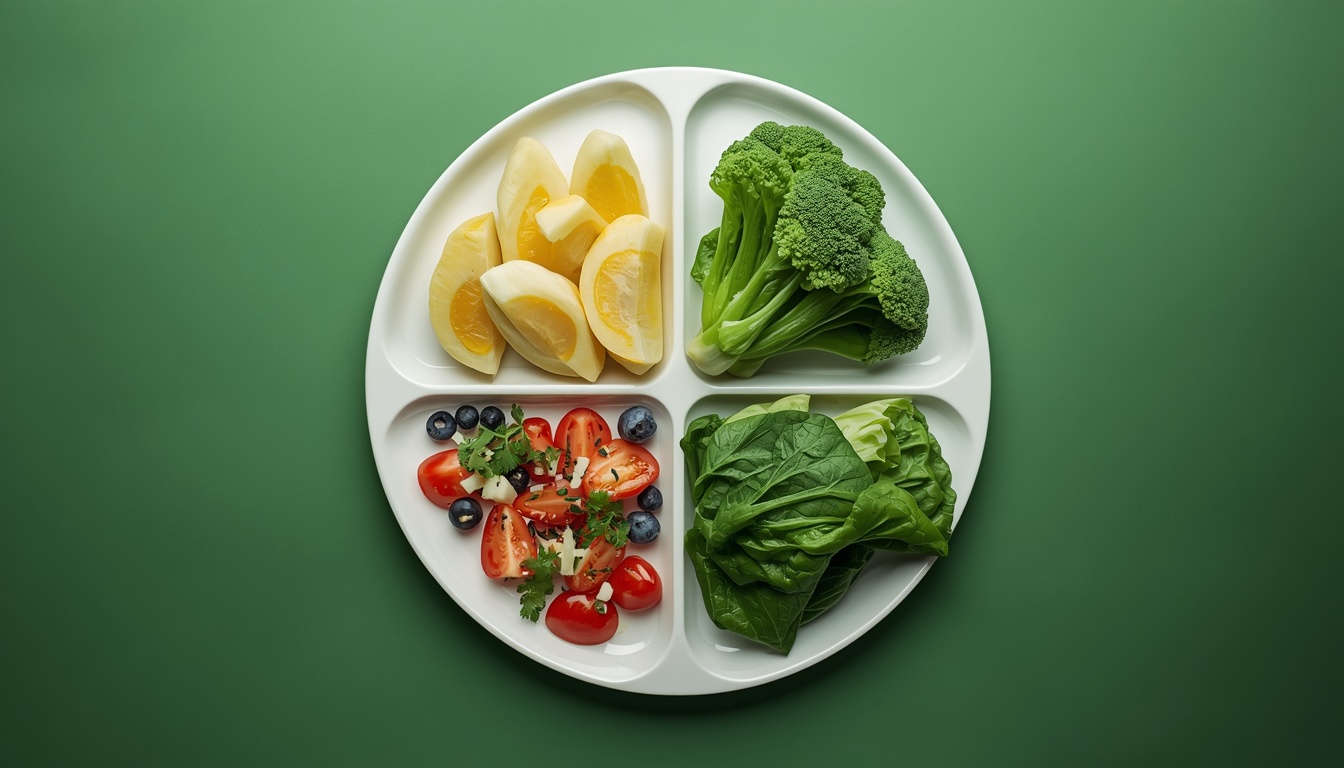
Green vegetable plate demonstrating macro balance from Fitnesstendon

The Plate Method Explained

Divide your dinner plate visually: half non-starchy vegetables, one quarter lean protein, and one quarter whole grains or starchy vegetables. This approach scales from solo meals to family dinners without counting every gram.
Protein Sources That Travel Well

Eggs, canned beans, Greek yogurt, tofu, chicken thighs, and tinned fish offer portable options for lunches. Rotate sources weekly to cover amino acid variety and keep meals interesting.

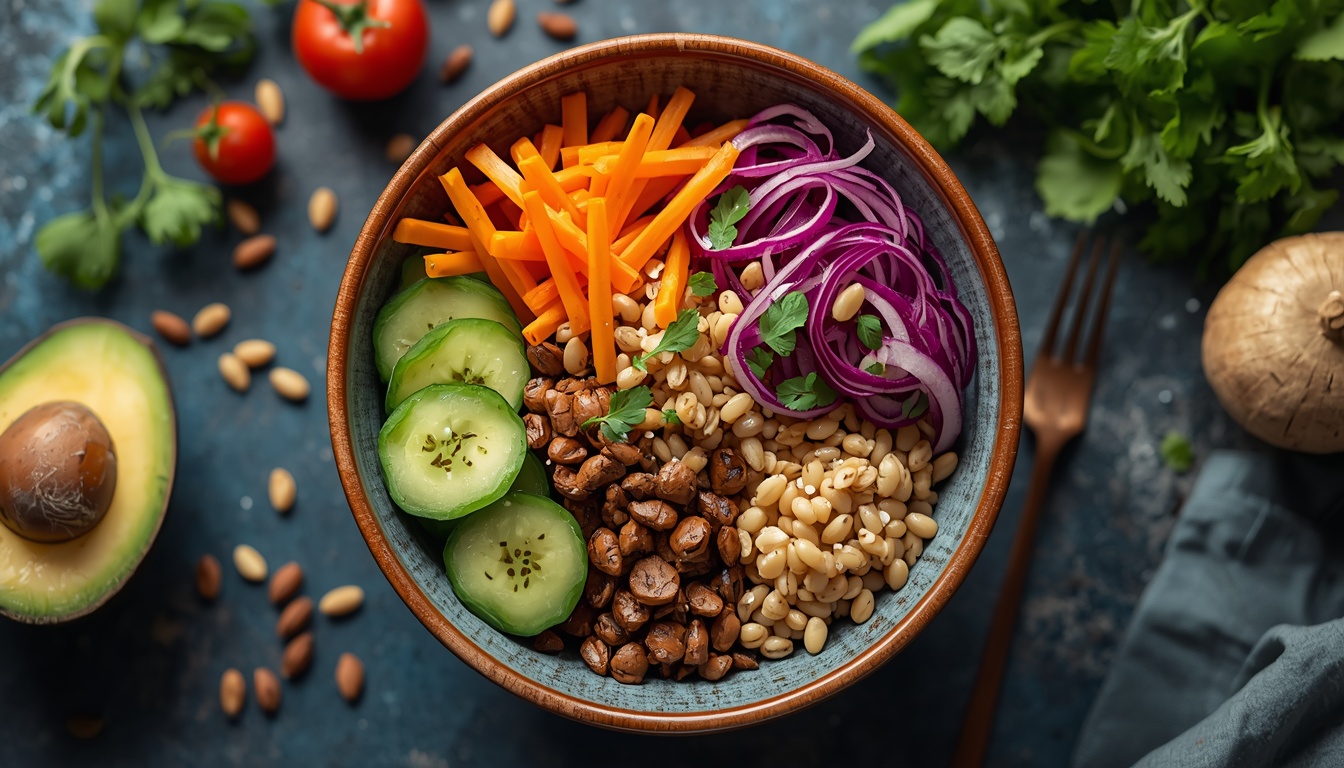
Colorful salad with balanced macros from Fitnesstendon guides

Smart Carbohydrate Timing

Place higher-fiber carbs around active hours when you need sustained fuel. Oats, quinoa, sweet potatoes, and whole-grain bread pair well with vegetables and healthy fats for steady digestion.

Fats That Support Flavor

Olive oil, avocado, nuts, and seeds add satiety and help absorb fat-soluble vitamins. Use measured drizzles rather than free-pouring to keep calories aligned with your goals.

Hydration and Electrolytes

Water remains the baseline, while herbal teas and diluted citrus water add variety. On active days, include potassium-rich foods like bananas and leafy greens alongside adequate fluids.

Meal Prep Windows

Dedicate ninety minutes on Sunday to cook grains, roast vegetables, and portion proteins. Store components separately so textures stay fresh when assembled midweek.

Tracking Without Obsession

Use hand portions as a rough guide: palm for protein, fist for vegetables, cupped hand for carbs, thumb for fats. Adjust based on hunger, activity, and how you feel over two-week cycles.

Get the Full Workbook

Download our Macro Mastery Workbook on the Pantry Essentials page or ask questions through the kitchen desk.

Shop Pantry Essentials